Showing posts with label gyaru. Show all posts

Thursday, May 17, 2018

Roma Gyaru


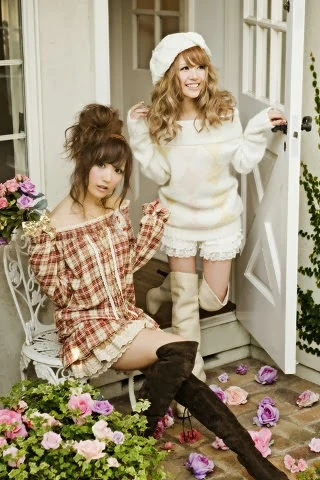
Roma Gyaru comes from one of the many sub-cultures of the Gyaru fashion. The name means or translates to "romantic gal". Roma Gyaru's fashion is very similar to Himekaji and oftentimes people tend to mix both styles or wear one or the other each time.


Hair/Hairstyles:

  • hair color is mostly in shades from dark brown to medium blonde
  • curly hair
  • sometimes hair is worn down or in a messy up-do

Makeup consists of:
  • simple gyaru style makeup

Outfits:
  • sometimes they include lace in their outfits
  • boots
  • heels
  • knee highs


Decorations/Other:

  • prints in polka dot, gingham, flowers or plaid
  • simple colored nails or french manicure


References:
http://gyaru-109.wikia.com/wiki/Roma_Gyaru


Sources for the images are below each of them.

Other sub-cultures related to Roma Gyaru, are Harajuku, Himekaji, Sweet Lolita, Gyaru/Guaruo and more.
Check the tags for more information that I will soon share about those.

Sunday, May 6, 2018

Himekaji


Himekaji is one of the many sub-cultures that come from the Gyaru. The word "hime"means princess in Japanese, and the word "kaji"is an abbreviation form of the word 
"casual" in English. Both words together can be translated to "casual princess".  


Hair/Hairstyles:

  • bleached blonde or light brown shades of haircolor
  • curls in all the hair or straight as well, just put down
  • can be short or long hair

Makeup consists of:
  • fake eyelashes (not as thick and full as Gyaru use them)
  • soft pink blush
  • glossy and soft pink looking lips or natural color

Outfits:
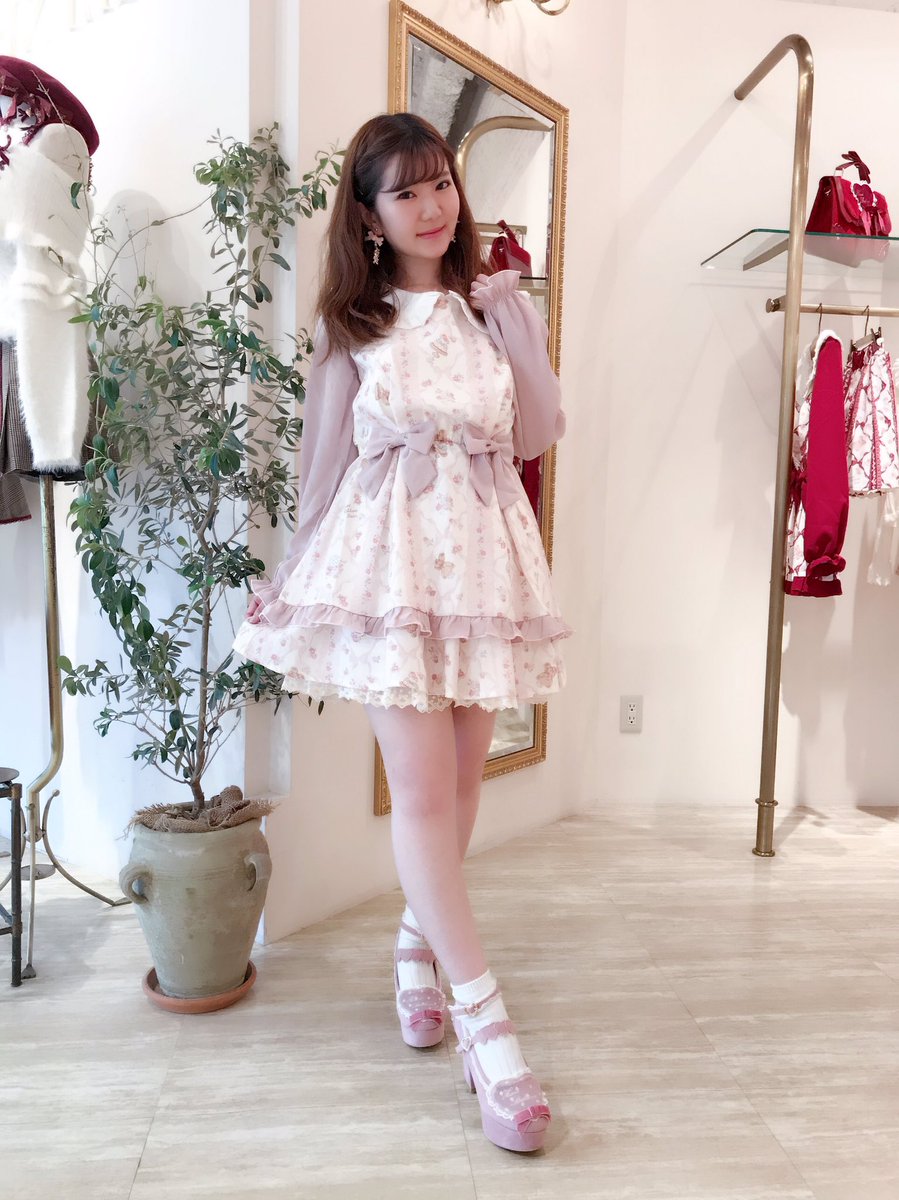
  • skirts or jumper skirts
  • dresses
  • a lot of pink
  • flower prints, lace and tulles
  • sometimes furry or fluffy decorations in the clothing

Accessories/Other: 
  • long natural nails, sometimes with decorations on them
  • necklaces, earrings and small hair accessories
  • not many rings or bracelets
  • small side bags mostly
  • plain socks or with lace decorations
  • ribbons


This beautiful fashion style consists of a princess aesthetic basically, very close to himegyaru but a bit less complicated and as the same name describes, a more casual way.  A sweet and soft look, super girly and comfortable.


References:
http://gyaru-109.wikia.com/wiki/Himekaji
http://heartbreakcherry.blogspot.com/2017/01/himekaji-basics.html

Sources for the images are below each of them.


Other sub-cultures related to Himekaji, Gyaru and Gyaruo are KogyaruYamanbaManba, Ganguro, GanjiroCheck the tags for more information that I will soon share about those.

Saturday, April 28, 2018

Lionhearted - Porter Robinson


Since we are in the subject, here’s a link to a nice video/song featuring pastel aesthetic fashion, harajuku fashion and gyaru fashion. Thanks to a very dear friend who shared it with me. Here’s to you my friend Gustavo ðŸ™Œ

Ganguro Fashion


Gyaru and Gyaruo


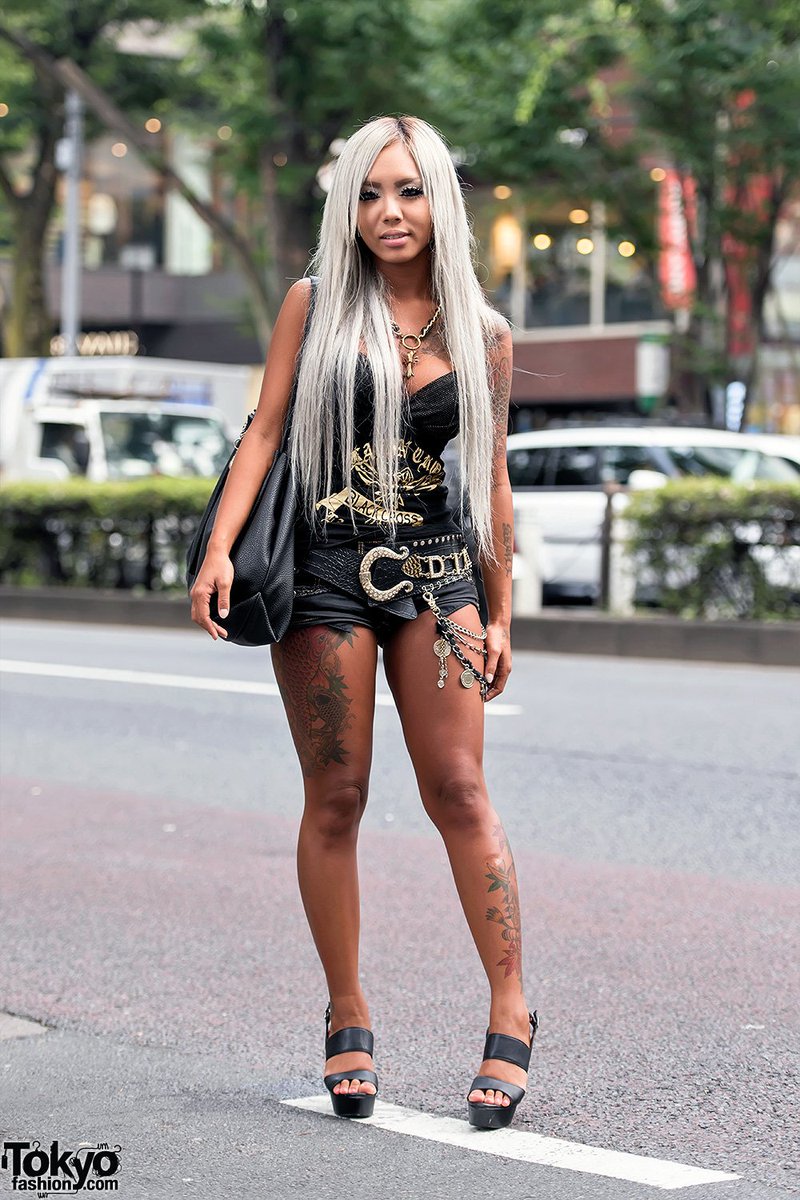
The word Gyaru is an English literal translation for "gal" and it dates back to the 1970's from a jeans brand called "gurls". Popularity increased by the 2000's and still going in actuality. This Japanese Fashion trend and lifestyle has kept on changing over the years and dividing into different sub-cultures and variations.

Makeup consists of:

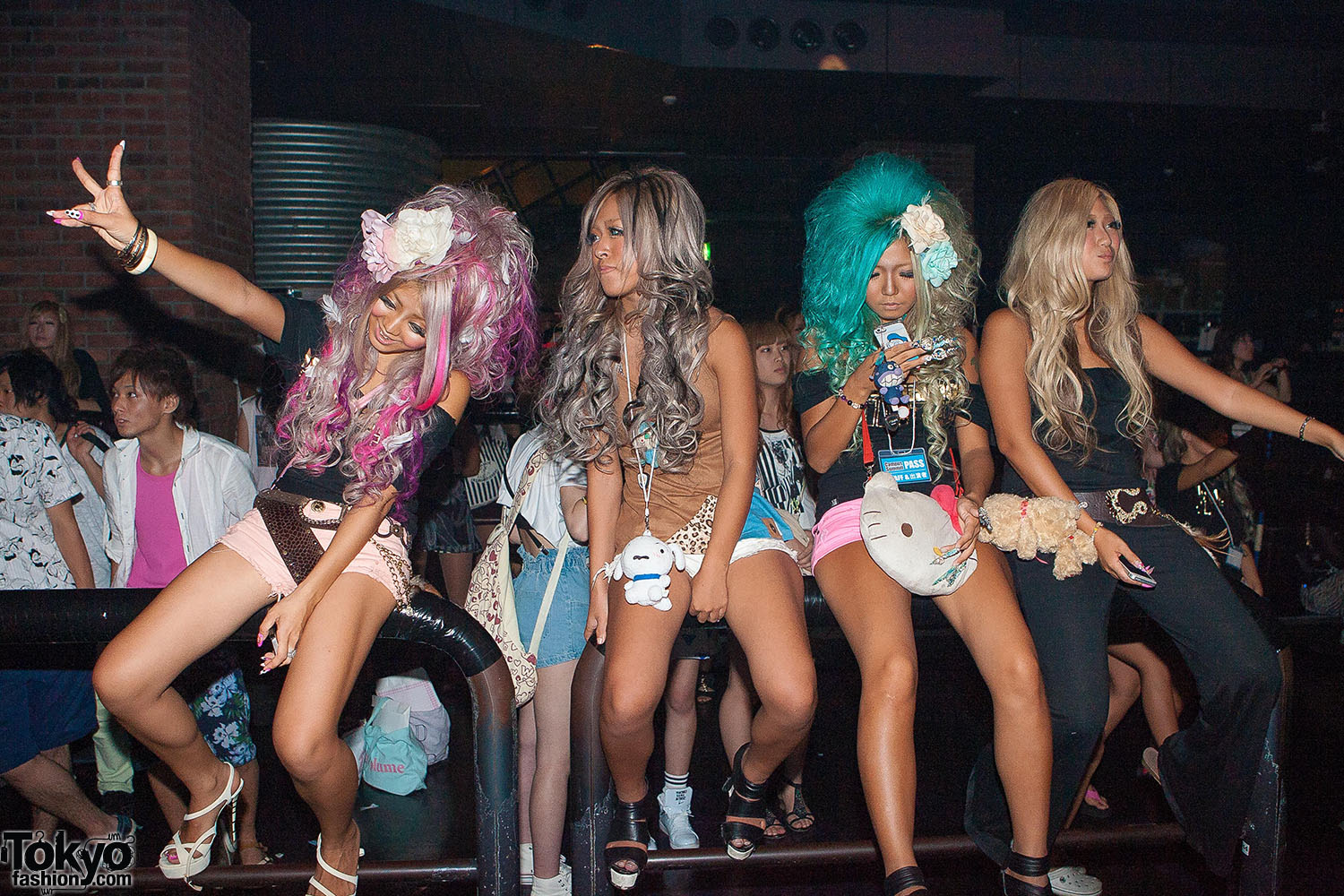
  • heavy makeup
  • fake tan
  • white concealer in their eyes and lips


Hair/Hairstyles:

  • light colored hair dyes like brown or blonde
  • mostly straightened and with bangs


Outfits:

  • Gyaru style their uniforms differently as a form of rebellion
  • short skirts
  • European luxury bags
  • loose socks


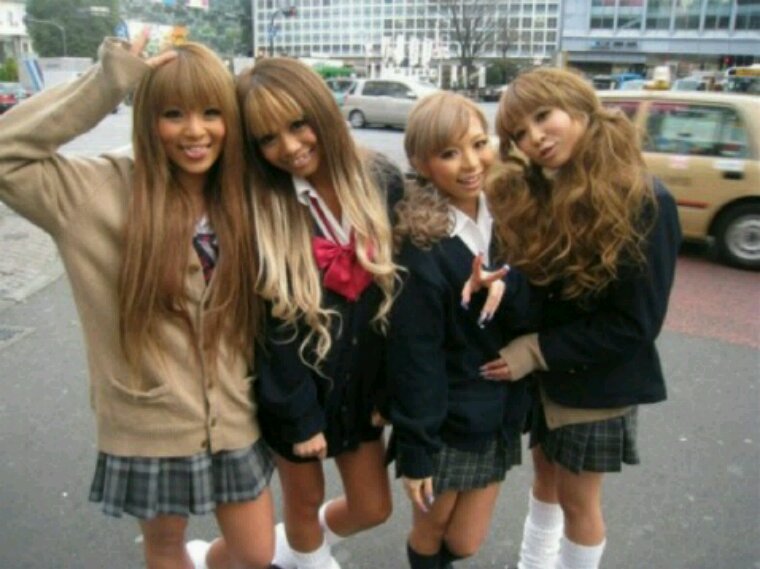
For Gyaru, their school uniform wasn't just something mandatory, they considered it part of their outfit so it would be worn even after school hours. Skirt would be adjusted from their mandatory knee-length into mini skirts, loose socks added, fake tan, and dying their hair as a rebel way to go against extreme school rules, contrary to what a "normal"student should look like. 

Even though Gyaru refers mostly to girls, there is also a male counter-part called Gyaruo or Gyaru-oh. These are boys that want to hang out with Gyaru girls so their style is basically the same and they love to party! 


The Gyaru and Gyaruo and other related sub-cultures consisted of (mostly) wealthy youngsters and students, during Japan's financial crisis after inflation (the Japanese Bubble Period), that could afford expensive clothes. This was but a reflection of social class and fashion and their way to show their wealth after an economical crisis. [Note that by that time, many of the kids following this fashion trend were students attending private schools and had a higher economical status than normal students.]

Now, the Gyaru and it's sub-cultures don't consist only of high class groups. The majority of Gyaru and Kogyaru allows higher class and middle class people. But as the popularity and widespread of this fashion trend grows, anyone from any class can be a Gyaru. There are stores in Japan (and other countries of course) that have started selling more affordable clothing and accessories for everyone who wants to enjoy Gyaru's fashion.


The young boys in Gyaruo follow the same basics of fashion and style of the Gyaru, as I mentioned before but in a more gritty and rough way. Always in a party attitude, their music ranges between trance, eurobeat and para para dancing. As for their hair, they choose to have light brown, silver-ish or pink hair color.

Because of their style and not following the Traditional Japanese fashion, Gyaru and Gyaruo are considered rebellious, mostly by the older generations. 


                                Source 1   Source 2                                       Source 1   Source 2


References:
http://haenfler.sites.grinnell.edu/subcultures-and-scenes/gyaru/
https://en.wikipedia.org/wiki/Japanese_asset_price_bubble
https://en.wikipedia.org/wiki/Gyaru
https://en.wikipedia.org/wiki/Gyaruo

Sources for the images are below each of them.


Other sub-cultures related to Gyaru and Gyaruo are KogyaruYamanbaManba, Ganguro, GanjiroCheck the tags for more information that I will soon share about those.